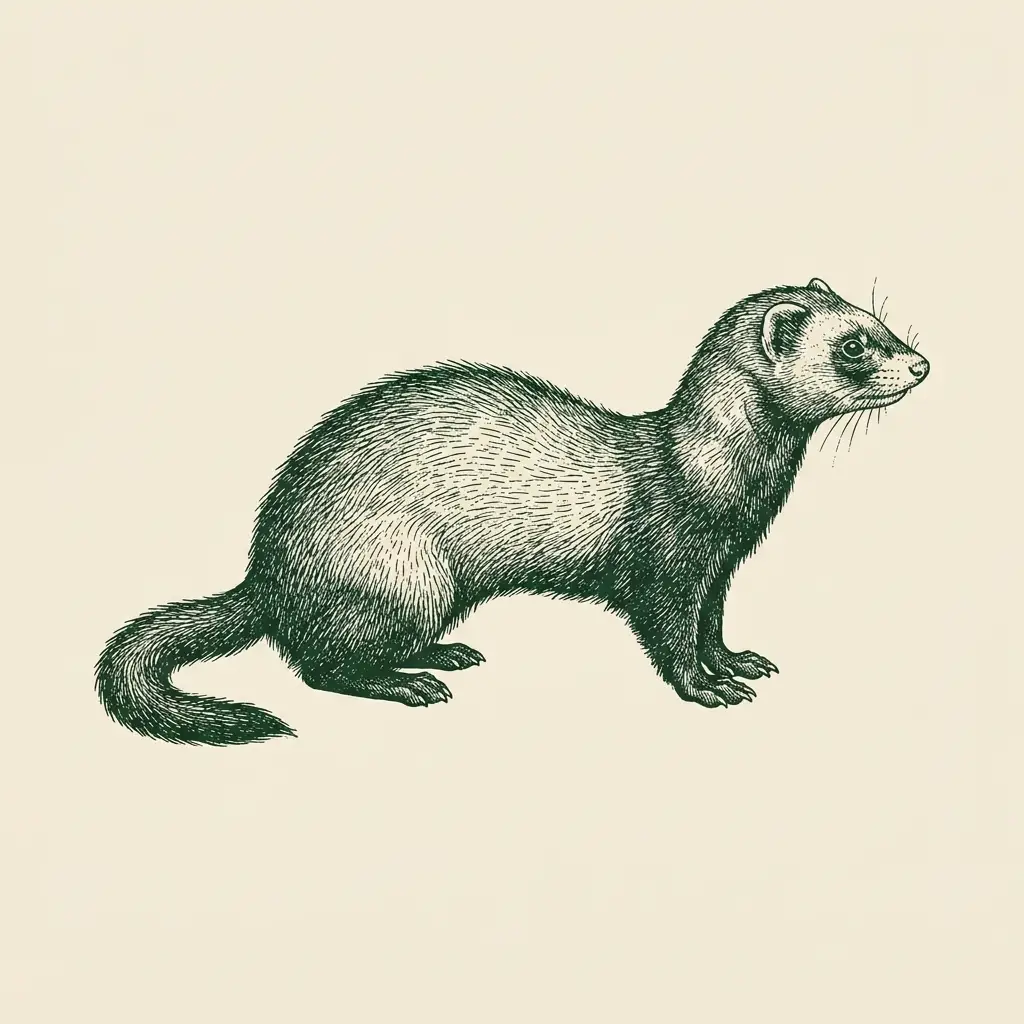
Is it legal to own a ferret in South Carolina?
The short answer
Ferrets are legal in South Carolina. The state's ban on selling wild carnivores as pets expressly exempts domesticated ferrets, though sellers must document a current rabies vaccination and hand buyers a statutory warning notice about bites. Owners must keep annual rabies vaccination current.
What South Carolina law says
S.C. Code §47-5-50 prohibits selling wild carnivores as pets but allows sale of domesticated ferrets with proof of rabies vaccination; the same section requires owners to maintain annual vaccination, and the Rabies Control Act treats ferret bites like dog and cat bites.
Which agency regulates ferrets in South Carolina
South Carolina Department of Public Health is the authority for ferret (Mustela putorius furo) possession in South Carolina.
Is there a permit for pet ferrets?
No permit is required at the state level. Sellers must provide a written warning notice about ferret bites and proof of rabies vaccination at sale.
Penalties and enforcement
Selling an unvaccinated ferret or failing to maintain vaccination violates the Rabies Control Act and can bring misdemeanor penalties.
Local city and county rules
County health departments enforce rabies-control rules for ferrets locally.
Legal alternatives in South Carolina
- Hedgehog in South Carolina — The African pygmy hedgehog — a palm-sized insectivore, hugely popular and famously banned in a handful of states.
- Sugar Glider in South Carolina — A palm-sized gliding marsupial, legal in most states but banned in a handful of cities and states.
Frequently asked questions
Do ferret owners in South Carolina have vaccination duties?
Yes. S.C. Code §47-5-50 requires anyone who purchases or possesses a domesticated ferret to maintain annual rabies vaccination.
Sources
More animals in South Carolina
- Is it legal to own a raccoon in South Carolina?
- Is it legal to own a monkey in South Carolina?
- Is it legal to own a serval in South Carolina?
See all animals on the exotic pet laws in South Carolina page, or compare every state on the pet ferret laws by state page.
Last verified 2026-07-13 against the cited primary sources. This is a research directory, not legal advice — confirm current rules with South Carolina Department of Public Health and your local animal-control authority before acquiring any animal.