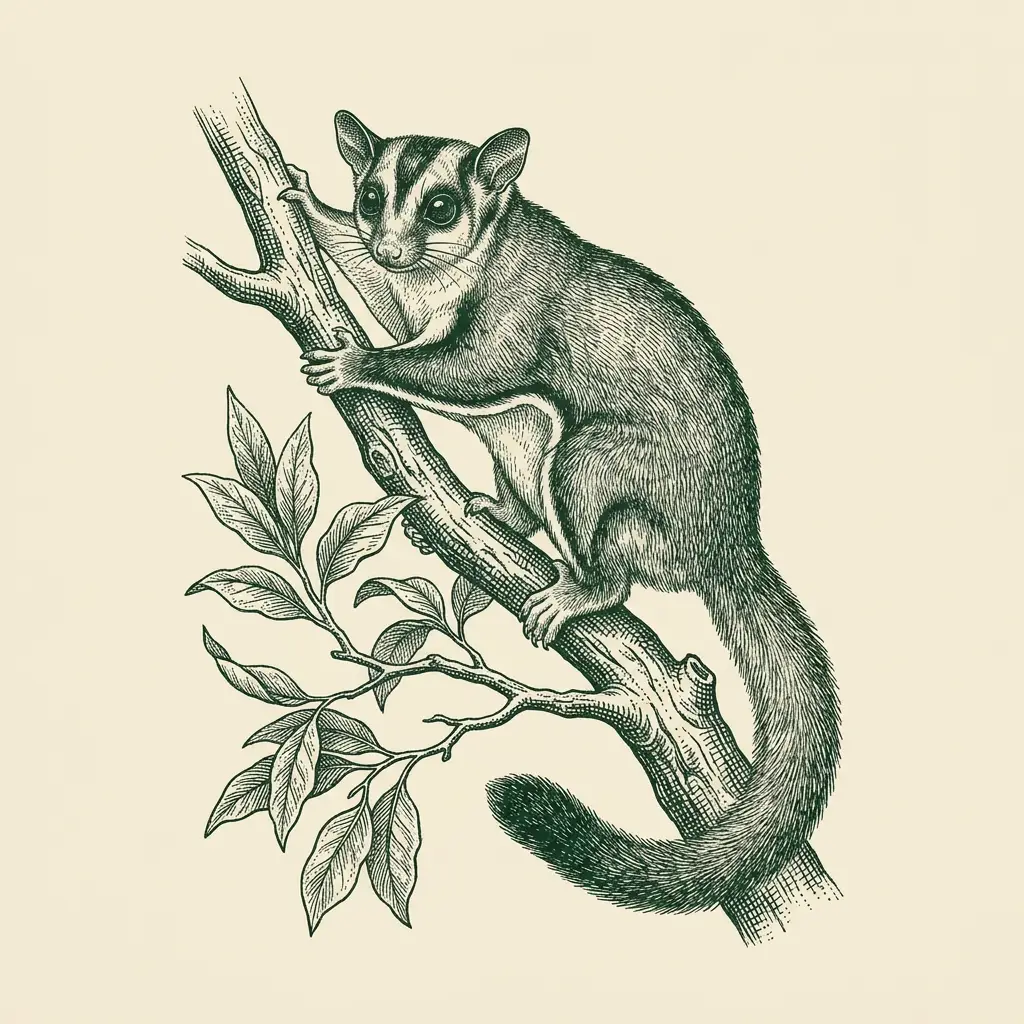
Is it legal to own a sugar glider in South Carolina?
The short answer
Yes. Sugar gliders are small non-native marsupials that don't appear on South Carolina's prohibited or restricted wildlife lists and aren't nondomesticated carnivores. No state permit is required to keep one.
What South Carolina law says
Neither SC's large-cat/ape ban (Title 47, Ch. 2) nor the furbearer/rabies rules cover sugar gliders; they are unregulated small exotics at the state level.
Which agency regulates sugar gliders in South Carolina
South Carolina Department of Natural Resources is the authority for sugar glider (Petaurus breviceps) possession in South Carolina.
Is there a permit for pet sugar gliders?
No permit is required at the state level.
Penalties and enforcement
None at state level for lawful possession.
Local city and county rules
A few municipalities restrict exotic mammals; a quick local-ordinance check is still worthwhile.
Legal alternatives in South Carolina
- Serval in South Carolina — A tall African wildcat, popular in the exotic cat trade and the parent breed of the Savannah cat.
- Monkey in South Carolina — All primates, from marmosets to capuchins. Among the most heavily regulated exotic pets in the U.S.
Frequently asked questions
Are sugar gliders legal in South Carolina?
Yes. They aren't on any prohibited list and need no state permit.
Any import restriction?
They aren't classified as regulated wildlife, so the furbearer import rules don't apply.
Sources
- Legal Exotic Pets in South Carolina (LegalClarity)
- SC - Exotic Pets - Chapter 16 (Animal Legal & Historical Center)
More animals in South Carolina
- Is it legal to own a raccoon in South Carolina?
- Is it legal to own a monkey in South Carolina?
- Is it legal to own a serval in South Carolina?
See all animals on the exotic pet laws in South Carolina page, or compare every state on the pet sugar glider laws by state page.
Last verified 2026-07-03 against the cited primary sources. This is a research directory, not legal advice — confirm current rules with South Carolina Department of Natural Resources and your local animal-control authority before acquiring any animal.