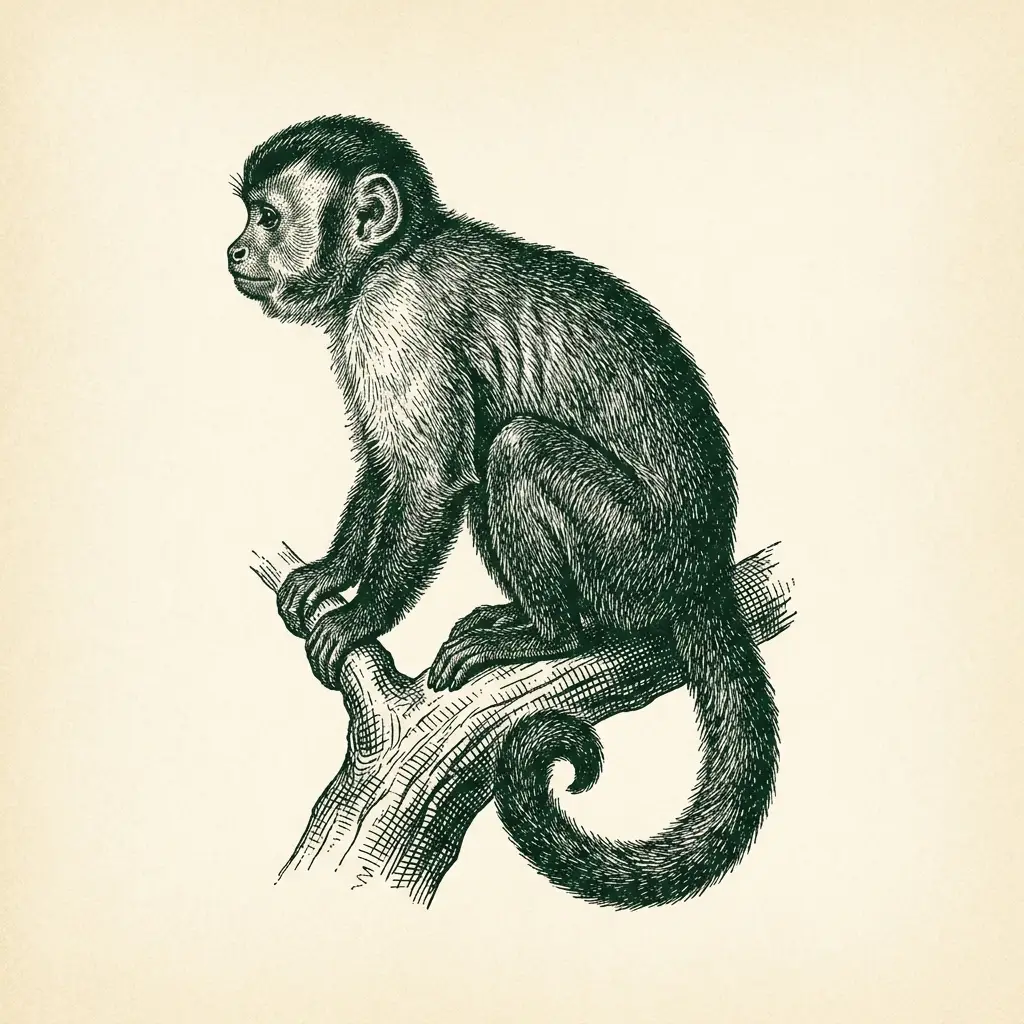
Is it legal to own a monkey in South Carolina?
The short answer
It depends. South Carolina's 2018 law (Title 47, Ch. 2) bans great apes (chimps, gorillas, orangutans) along with large wild cats and non-native bears. Smaller non-human primates like monkeys and macaques are not specifically prohibited by state statute, so a pet monkey is generally allowed at the state level.
What South Carolina law says
S.C. Code Ann. Title 47, Ch. 2 bans great apes but not smaller primates; monkeys/macaques fall outside the prohibited categories and are not otherwise state-regulated.
Which agency regulates monkeys in South Carolina
South Carolina Department of Natural Resources is the authority for monkey (Nonhuman primates) possession in South Carolina.
Is there a permit for pet monkeys?
No permit is required at the state level. Great-ape ban has narrow exemptions for registered nonprofit, educational, and research facilities; animals lawfully held before 2018 were grandfathered with SCDNR registration.
Penalties and enforcement
For banned great apes: up to $1,000/30 days (1st offense), $5,000/90 days (2nd). Monkeys not covered by this penalty.
Local city and county rules
Local ordinances frequently ban all primates; monkeys legal at the state level may still be prohibited in your city/county.
Legal alternatives in South Carolina
- Sugar Glider in South Carolina — A palm-sized gliding marsupial, legal in most states but banned in a handful of cities and states.
- Serval in South Carolina — A tall African wildcat, popular in the exotic cat trade and the parent breed of the Savannah cat.
Frequently asked questions
Can I own a monkey in South Carolina?
Generally yes at the state level; only great apes are banned. But local law may prohibit it.
Are chimpanzees allowed?
No. Great apes were banned by the 2018 law (grandfathering aside).
Sources
- SC - Exotic pets - Chapter 2 (Animal Legal & Historical Center)
- 2017-2018 Bill 3531: Wild cats, Apes, and Bears
More animals in South Carolina
- Is it legal to own a raccoon in South Carolina?
- Is it legal to own a serval in South Carolina?
- Is it legal to own a fennec fox in South Carolina?
See all animals on the exotic pet laws in South Carolina page, or compare every state on the pet monkey laws by state page.
Last verified 2026-07-03 against the cited primary sources. This is a research directory, not legal advice — confirm current rules with South Carolina Department of Natural Resources and your local animal-control authority before acquiring any animal.