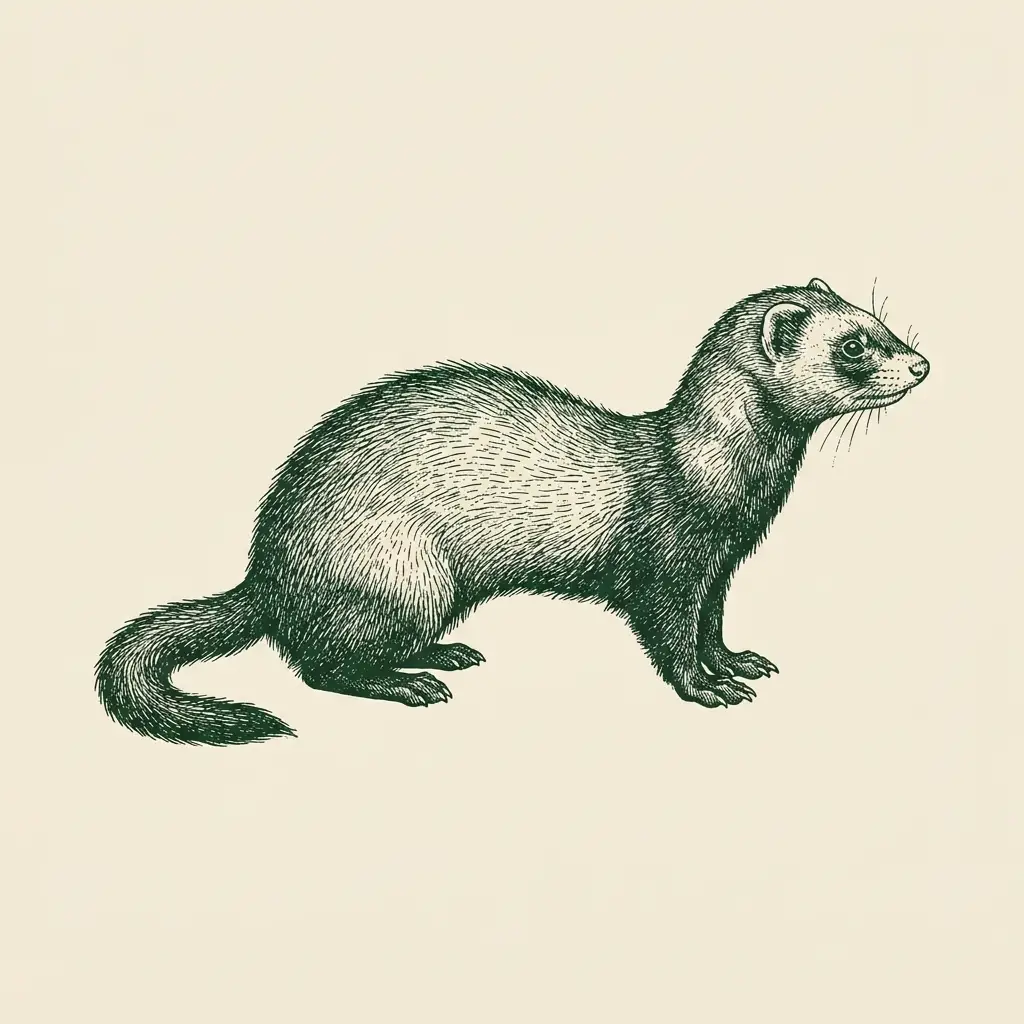
Is it legal to own a ferret in North Carolina?
The short answer
Ferrets are legal in North Carolina and no state permit exists for them. North Carolina has no statewide exotic-animal statute, leaving regulation to counties and cities, and state public-health law expressly requires ferrets to be vaccinated against rabies alongside dogs and cats. Owners should confirm their county has no stricter rule.
What North Carolina law says
N.C. Gen. Stat. §130A-185 requires the owner of every dog, cat, and ferret over four months of age to keep a current rabies vaccination; no wildlife or exotic permit applies to ferrets.
Which agency regulates ferrets in North Carolina
No state agency regulates ferret (Mustela putorius furo) possession in North Carolina — authority rests with local animal control. See the state wildlife agency for related rules.
Is there a permit for pet ferrets?
No permit is required at the state level.
Penalties and enforcement
Failure to vaccinate is a misdemeanor under the rabies control article; counties may impose civil penalties.
Local city and county rules
Several NC counties regulate exotic pets locally, so check county animal-control ordinances.
Legal alternatives in North Carolina
- Hedgehog in North Carolina — The African pygmy hedgehog — a palm-sized insectivore, hugely popular and famously banned in a handful of states.
- Sugar Glider in North Carolina — A palm-sized gliding marsupial, legal in most states but banned in a handful of cities and states.
Frequently asked questions
Is a rabies shot legally required for ferrets in North Carolina?
Yes. G.S. 130A-185 names ferrets explicitly — every ferret over four months must have a current rabies vaccination.
Sources
More animals in North Carolina
- Is it legal to own a raccoon in North Carolina?
- Is it legal to own a monkey in North Carolina?
- Is it legal to own a serval in North Carolina?
See all animals on the exotic pet laws in North Carolina page, or compare every state on the pet ferret laws by state page.
Last verified 2026-07-13 against the cited primary sources. This is a research directory, not legal advice — confirm current rules with your local animal-control authority before acquiring any animal.