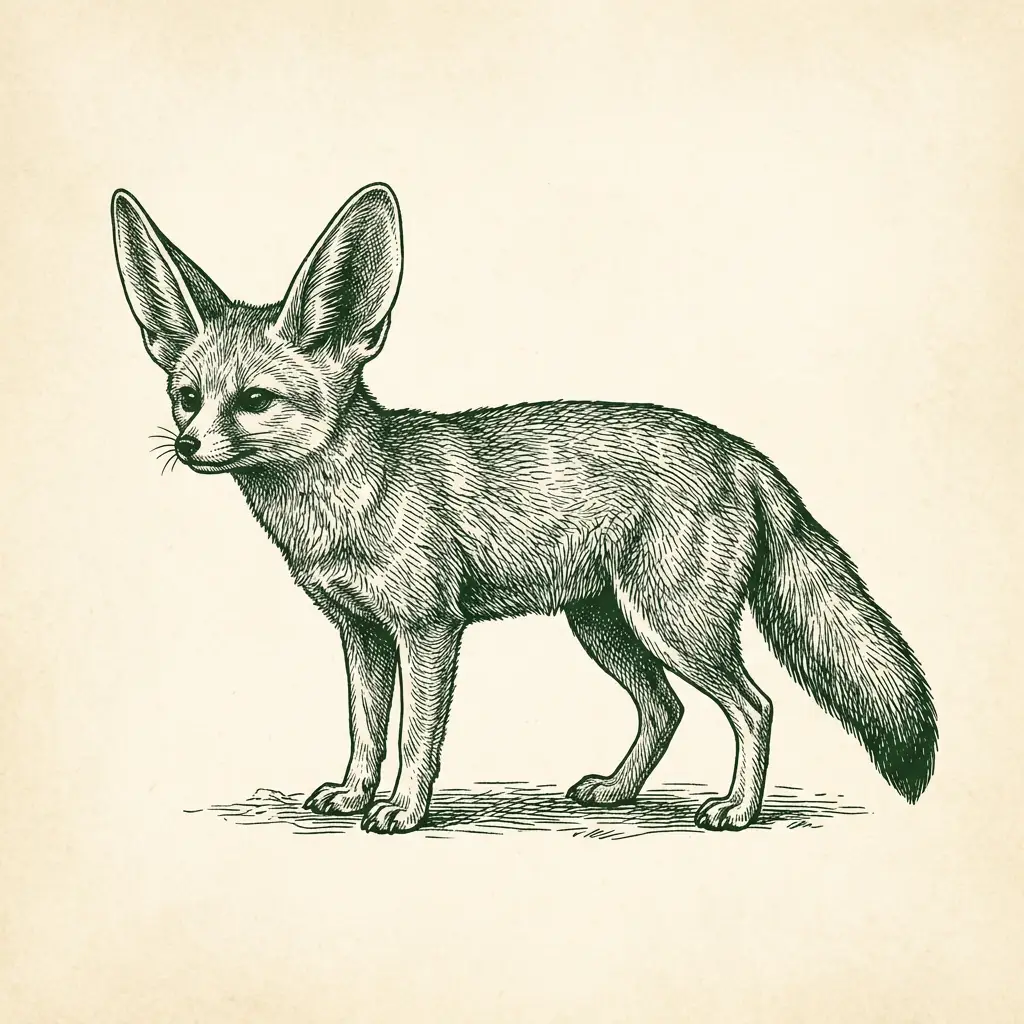
Is it legal to own a fennec fox in Kansas?
The short answer
Yes. Because the fennec fox is not native to Kansas, it is treated as exotic wildlife under K.A.R. 115-20-3 and may be possessed without a state permit - the native-furbearer restrictions that block pet raccoons and red foxes do not apply. The animal must be legally sourced, confined at all times, and never released.
What Kansas law says
K.A.R. 115-20-3 allows importation and possession of non-native, non-migratory exotic wildlife without a permit; fennec foxes (Vulpes zerda, a Saharan species) qualify as exotic rather than native furbearers.
Which agency regulates fennec foxes in Kansas
Kansas Department of Wildlife & Parks is the authority for fennec fox (Vulpes zerda) possession in Kansas.
Is there a permit for pet fennec foxes?
No permit is required at the state level.
Penalties and enforcement
None for lawful possession; releasing exotic wildlife into the state is unlawful.
Local city and county rules
Some Kansas cities classify all foxes as wild or rabies-vector animals regardless of species - check municipal code before purchase.
Legal alternatives in Kansas
- Serval in Kansas — A tall African wildcat, popular in the exotic cat trade and the parent breed of the Savannah cat.
- Sugar Glider in Kansas — A palm-sized gliding marsupial, legal in most states but banned in a handful of cities and states.
Frequently asked questions
Do native fox rules apply to fennec foxes in Kansas?
No. Kansas's furbearer rules cover native red, gray, and swift foxes; the fennec is non-native and is regulated under the exotic-wildlife rule instead.
Sources
More animals in Kansas
- Is it legal to own a raccoon in Kansas?
- Is it legal to own a monkey in Kansas?
- Is it legal to own a serval in Kansas?
See all animals on the exotic pet laws in Kansas page, or compare every state on the pet fennec fox laws by state page.
Last verified 2026-07-03 against the cited primary sources. This is a research directory, not legal advice — confirm current rules with Kansas Department of Wildlife & Parks and your local animal-control authority before acquiring any animal.