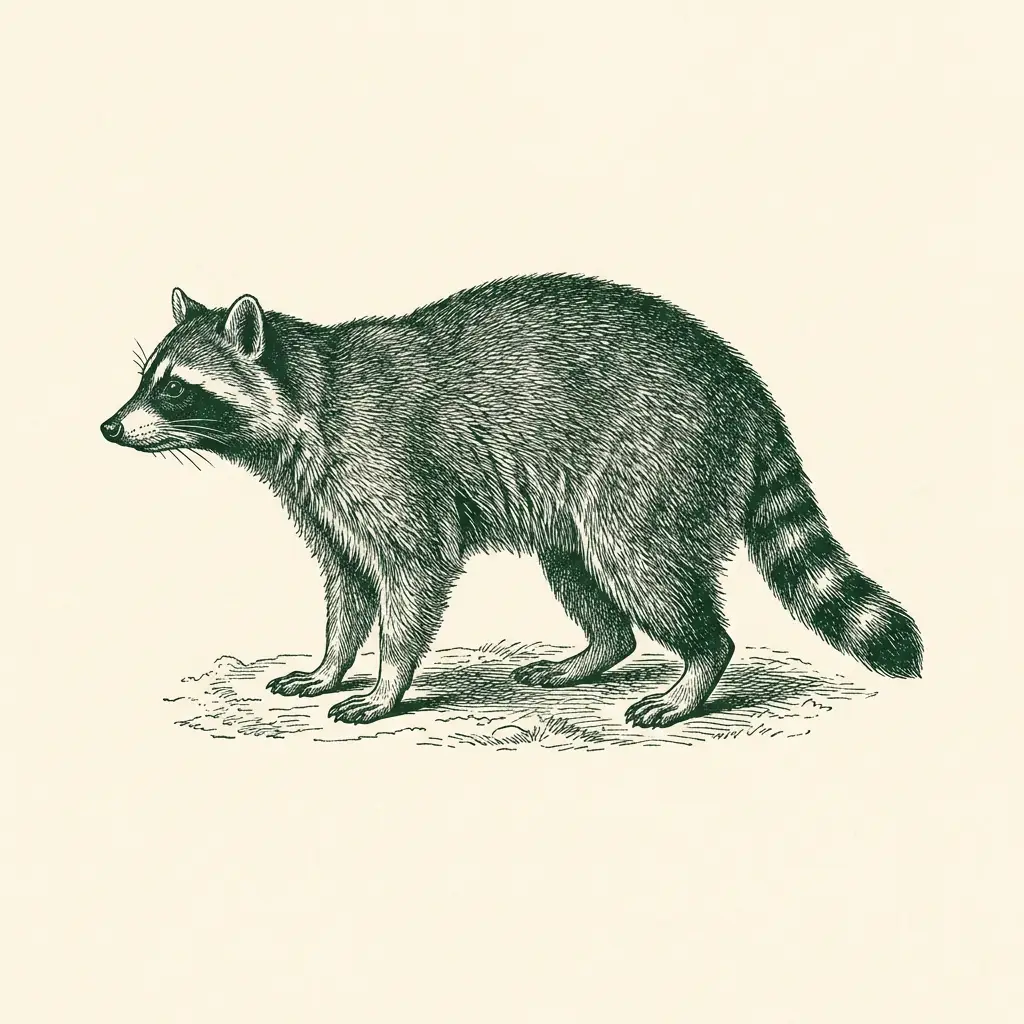
Is it legal to own a raccoon in Indiana?
The short answer
Yes, with a permit. Indiana is one of the friendlier raccoon states: they're Class II wild animals under the Wild Animal Possession Permit system — apply to DNR within days of acquiring the animal, meet caging standards, and renew annually. Lawful source documentation required.
What Indiana law says
312 IAC 9-11-7 lists raccoons among Class II animals ('may pose a threat to human safety'). The WAP application covers the animal's source, enclosure, and veterinary details.
Which agency regulates raccoons in Indiana
Indiana DNR, Division of Fish & Wildlife is the authority for raccoon (Procyon lotor) possession in Indiana.
Is there a permit for pet raccoons?
Yes — the Wild Animal Possession Permit (Class II), issued by Indiana DNR, Division of Fish & Wildlife ($10-$20/year (verify current fee)).
Penalties and enforcement
Unpermitted possession is a Class C misdemeanor with confiscation; rabies-vector rules apply.
Local city and county rules
Municipal wild-animal ordinances add restrictions in some cities.
Legal alternatives in Indiana
- Sugar Glider in Indiana — A palm-sized gliding marsupial, legal in most states but banned in a handful of cities and states.
Frequently asked questions
How does Indiana's Wild Animal Possession Permit work?
Submit the application with the fee shortly after acquiring the animal, document a lawful captive source, and pass caging requirements. Renew annually.
Can I keep a raccoon I found in Indiana?
Indiana is unusual: wild-caught raccoons can qualify for a WAP in some circumstances, but confirm current DNR policy — captive-bred sourcing is the clean path.
Sources
More animals in Indiana
- Is it legal to own a monkey in Indiana?
- Is it legal to own a serval in Indiana?
- Is it legal to own a fennec fox in Indiana?
See all animals on the exotic pet laws in Indiana page, or compare every state on the pet raccoon laws by state page.
Last verified 2026-07-03 against the cited primary sources. This is a research directory, not legal advice — confirm current rules with Indiana DNR, Division of Fish & Wildlife and your local animal-control authority before acquiring any animal.