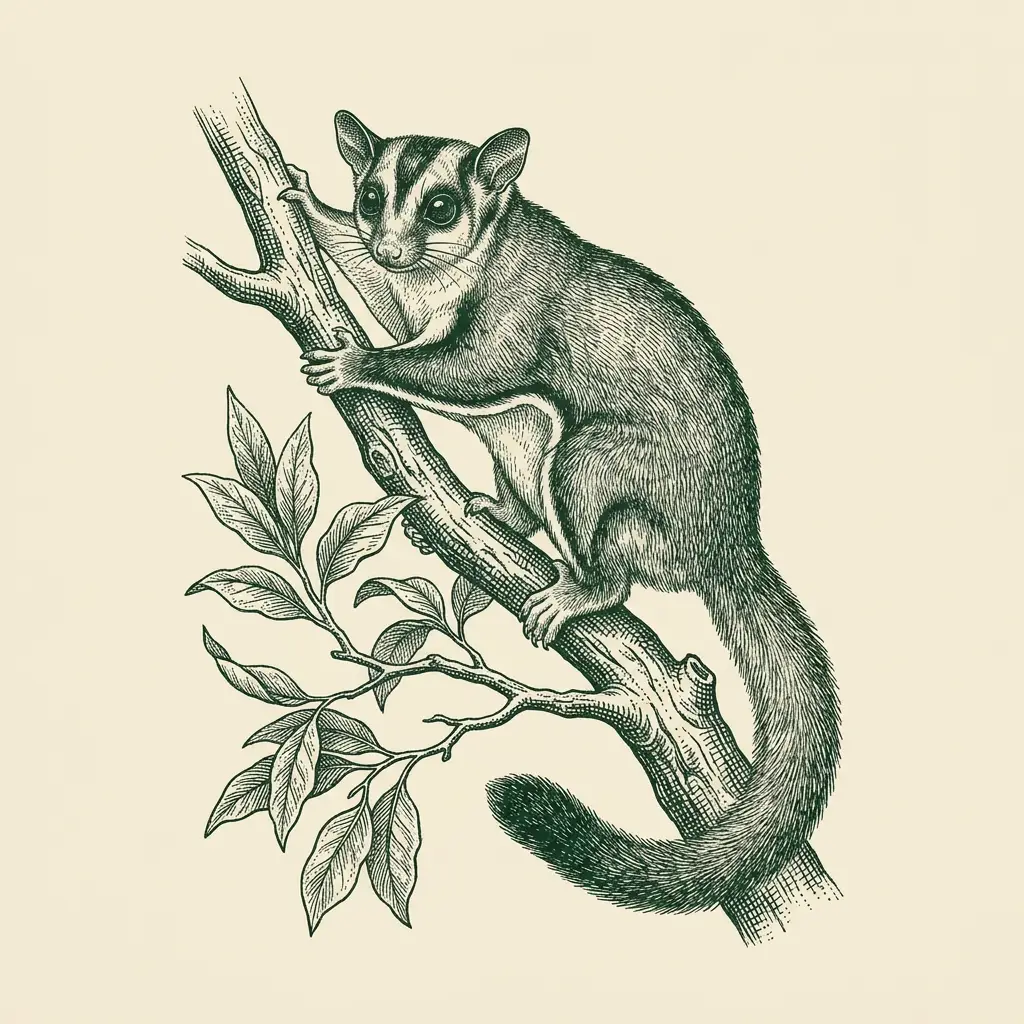
Is it legal to own a sugar glider in Washington?
The short answer
Yes. Sugar gliders are legal to own in Washington. They appear nowhere in RCW ch. 16.30's list of potentially dangerous wild animals, and as small non-native marsupials they are not covered by WDFW's native-wildlife possession rules. No state permit or registration is required.
What Washington law says
RCW 16.30.010's list covers big cats, wolves, bears, hyenas, primates, elephants, rhinos, certain reptiles, and venomous snakes — sugar gliders (Petaurus breviceps) fall outside every category. They are likewise not native wildlife or a listed deleterious species, so state law simply does not regulate keeping them.
Which agency regulates sugar gliders in Washington
Washington Department of Fish and Wildlife (WDFW) is the authority for sugar glider (Petaurus breviceps) possession in Washington.
Is there a permit for pet sugar gliders?
No permit is required at the state level.
Penalties and enforcement
None for lawful ownership.
Local city and county rules
A few cities define 'exotic animal' broadly in local codes, and landlords may restrict them — worth a quick check with local animal control before buying.
Legal alternatives in Washington
- Fennec Fox in Washington — The world's smallest fox — and one of the few foxes legal to own in several U.S. states.
Frequently asked questions
Do I need a permit for a sugar glider in Washington?
No. Sugar gliders are not on any Washington regulated-species list, so no state permit or registration is required.
Are sugar gliders banned in Seattle?
Seattle's exotic-animal code targets dangerous wild animals and does not prohibit sugar gliders, but municipal codes change — confirm with Seattle Animal Shelter or your local animal control.
Sources
More animals in Washington
- Is it legal to own a raccoon in Washington?
- Is it legal to own a serval in Washington?
- Is it legal to own a monkey in Washington?
See all animals on the exotic pet laws in Washington page, or compare every state on the pet sugar glider laws by state page.
Last verified 2026-07-03 against the cited primary sources. This is a research directory, not legal advice — confirm current rules with Washington Department of Fish and Wildlife (WDFW) and your local animal-control authority before acquiring any animal.