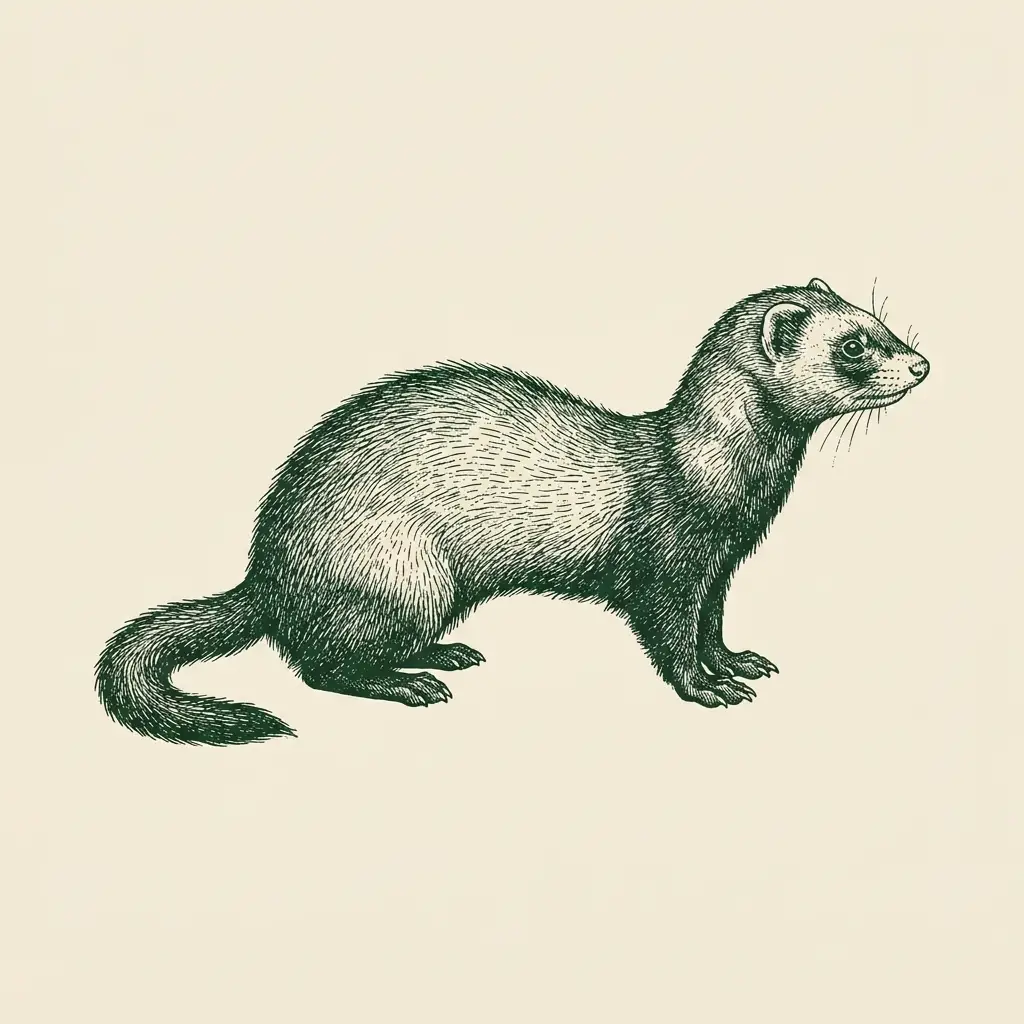
Is it legal to own a ferret in Virginia?
The short answer
Ferrets are legal in Virginia with no permit. The state's regulation on importing and possessing predatory animals lists the family Mustelidae — but expressly excepts Mustela putorius furo, the domestic ferret, from the permit requirement. Ferrets are treated as companion animals under Virginia law.
What Virginia law says
4VAC15-30-40 requires DWR permits for listed predatory or undesirable species including mustelids, 'except Mustela putorius furo' — a by-name exemption that leaves domestic ferrets unregulated as pets.
Which agency regulates ferrets in Virginia
Virginia Department of Wildlife Resources (DWR) is the authority for ferret (Mustela putorius furo) possession in Virginia.
Is there a permit for pet ferrets?
No permit is required at the state level.
Penalties and enforcement
None for ownership; localities enforce rabies vaccination and companion-animal care standards.
Local city and county rules
Virginia localities require rabies vaccination for companion animals and may license pets.
Legal alternatives in Virginia
- Hedgehog in Virginia — The African pygmy hedgehog — a palm-sized insectivore, hugely popular and famously banned in a handful of states.
- Sugar Glider in Virginia — A palm-sized gliding marsupial, legal in most states but banned in a handful of cities and states.
Frequently asked questions
Why do people say ferrets are 'named' in Virginia law?
Because 4VAC15-30-40 restricts the weasel family generally but carves out Mustela putorius furo by scientific name, confirming domestic ferrets need no DWR permit.
Sources
More animals in Virginia
- Is it legal to own a raccoon in Virginia?
- Is it legal to own a monkey in Virginia?
- Is it legal to own a serval in Virginia?
See all animals on the exotic pet laws in Virginia page, or compare every state on the pet ferret laws by state page.
Last verified 2026-07-13 against the cited primary sources. This is a research directory, not legal advice — confirm current rules with Virginia Department of Wildlife Resources (DWR) and your local animal-control authority before acquiring any animal.