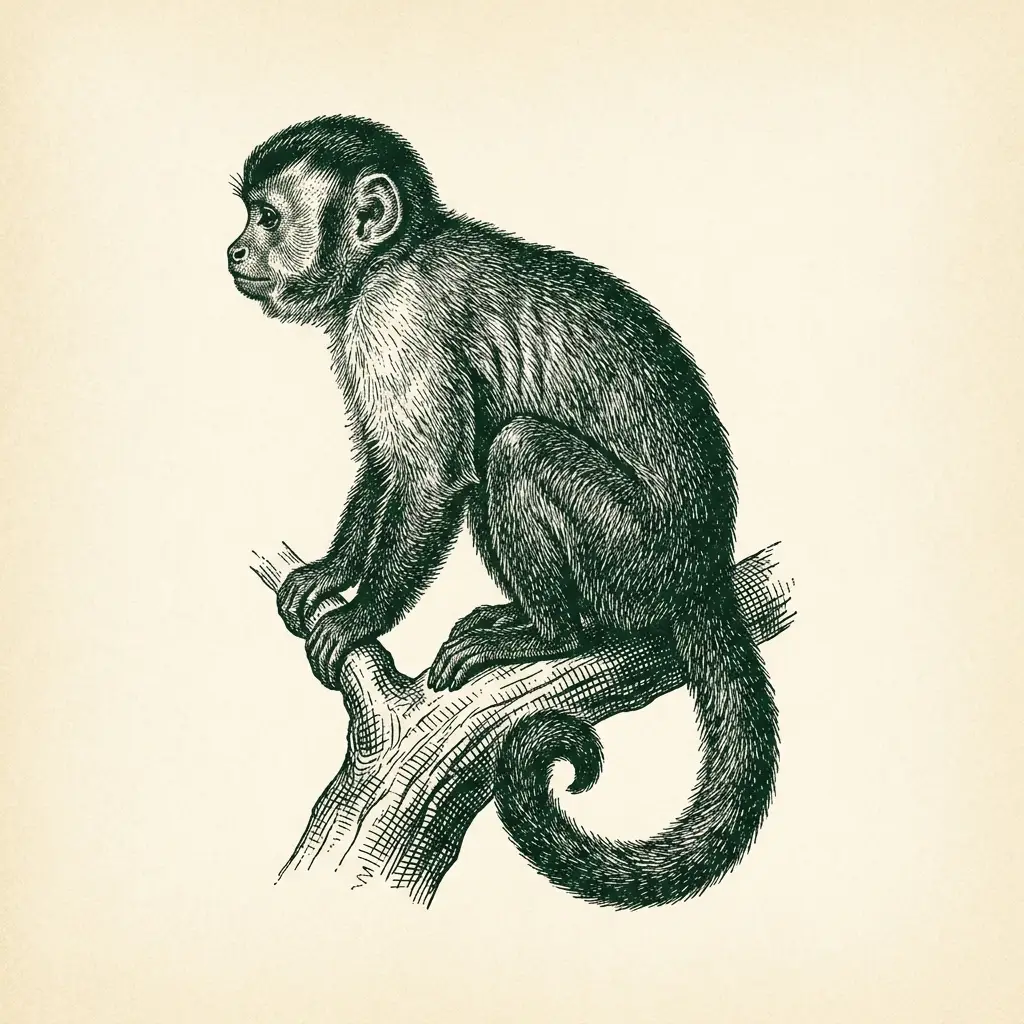
Is it legal to own a monkey in Tennessee?
The short answer
It depends on the primate. Tennessee's Class I list — inherently dangerous species closed to personal possession — covers gorillas, chimpanzees, orangutans, gibbons, siamangs, mandrills, drills, and baboons. Monkeys outside that list — capuchins, marmosets, squirrel monkeys among them — default to Class III, which requires no state permit. Verify your species against the statute before buying.
What Tennessee law says
T.C.A. §70-4-403 lists Class I primates by name; unlisted primates fall to Class III (no permit). The split is by species list, not size, so check the exact animal.
Which agency regulates monkeys in Tennessee
Tennessee Wildlife Resources Agency (TWRA) is the authority for monkey (Nonhuman primates) possession in Tennessee.
Is there a permit for pet monkeys?
No permit is required at the state level.
Penalties and enforcement
Class I possession is a misdemeanor with seizure; Class III animals face no state penalty.
Local city and county rules
Memphis, Nashville, and other cities restrict primates locally.
Legal alternatives in Tennessee
- Sugar Glider in Tennessee — A palm-sized gliding marsupial, legal in most states but banned in a handful of cities and states.
Frequently asked questions
Which monkeys are legal in Tennessee?
Species not named on the Class I list — capuchins, marmosets, tamarins, squirrel monkeys among them — are Class III and need no TWRA permit. The named apes and baboons are closed to private ownership.
Do Class III monkeys need any paperwork?
No TWRA permit, but keep captive-bred source records and check your city ordinance.
Sources
More animals in Tennessee
- Is it legal to own a raccoon in Tennessee?
- Is it legal to own a serval in Tennessee?
- Is it legal to own a fennec fox in Tennessee?
See all animals on the exotic pet laws in Tennessee page, or compare every state on the pet monkey laws by state page.
Last verified 2026-07-03 against the cited primary sources. This is a research directory, not legal advice — confirm current rules with Tennessee Wildlife Resources Agency (TWRA) and your local animal-control authority before acquiring any animal.