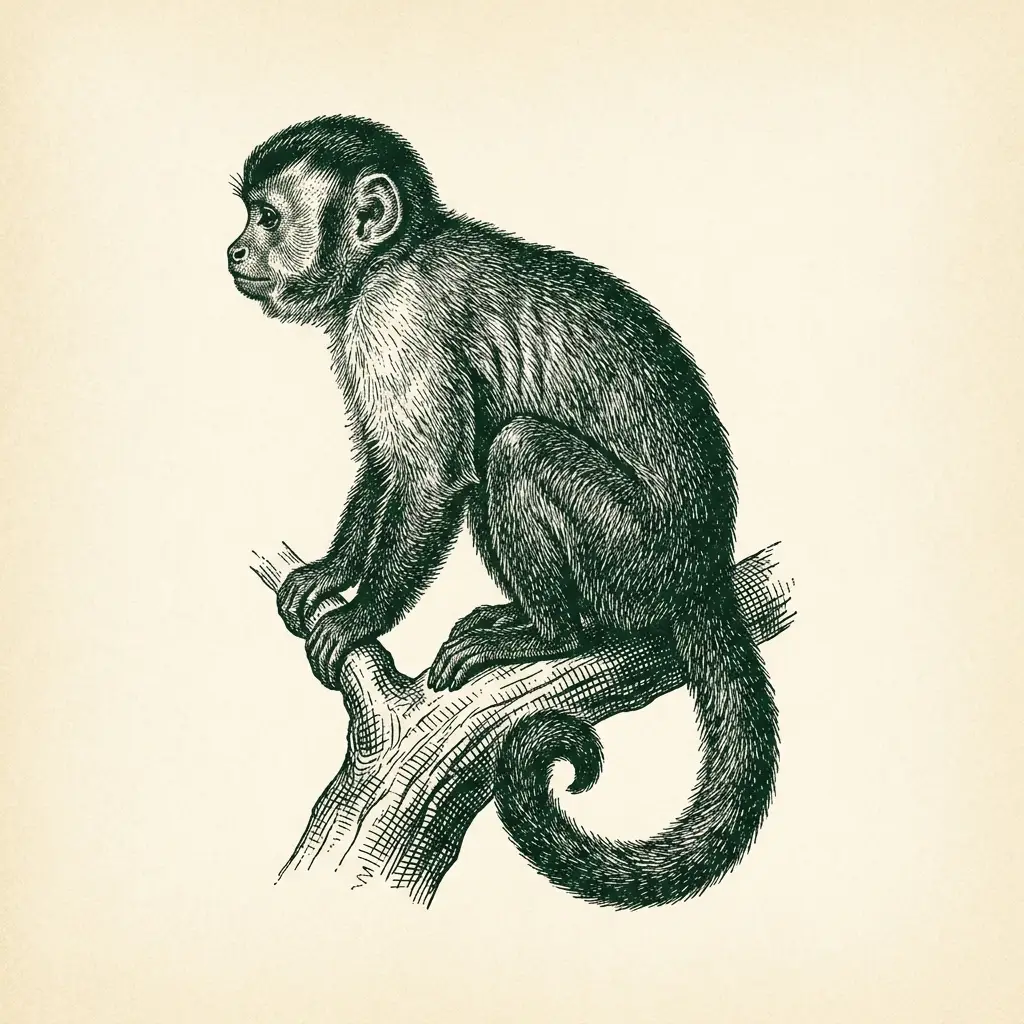
Is it legal to own a monkey in New York?
The short answer
No. It is illegal to own any monkey — or any other nonhuman primate — as a pet in New York. Environmental Conservation Law §11-0512 has banned private possession of wild animals, explicitly including all nonhuman primates, since 2005. New York City independently bans primates under its Health Code. The grandfather window for previously owned animals closed years ago.
What New York law says
ECL §11-0512 makes it unlawful to knowingly possess, harbor, sell, or import a 'wild animal' as a pet, and the statutory definition expressly includes all nonhuman primates — from finger monkeys and marmosets to capuchins and chimpanzees. Owners who had a primate before 2005 could register it and keep that individual animal, but that grandfather provision required registration at the time and does not apply to any animal acquired since. In New York City, Health Code §161.01 separately prohibits primates.
Which agency regulates monkeys in New York
New York State Department of Environmental Conservation (DEC) is the authority for monkey (Nonhuman primates) possession in New York.
Is there a permit for pet monkeys?
No. There is no permit pathway that allows private pet ownership. USDA-licensed exhibitors, accredited zoos, research facilities, and licensed wildlife rehabilitators may possess primates under their own regulatory regimes. A previous exemption for trained service monkeys assisting disabled persons was narrow and is effectively unavailable for new placements.
Penalties for owning a monkey illegally
Violations carry civil penalties that escalate for repeat offenses, plus seizure of the animal. Local charges can stack on top in NYC. Enforcement is real — New York's most famous case (the Harlem tiger, and multiple seized monkeys since) shows agencies do act on tips.
Local city and county rules
New York City bans primates independently under Health Code §161.01, so even if state law changed, NYC's ban would still stand. Other municipalities may have their own animal-control ordinances.
Legal alternatives in New York
- Fennec Fox in New York — The world's smallest fox — and one of the few foxes legal to own in several U.S. states.
- Sugar Glider in New York — A palm-sized gliding marsupial, legal in most states but banned in a handful of cities and states.
Frequently asked questions
Can I own a finger monkey (pygmy marmoset) in New York?
No. The ban covers all nonhuman primates regardless of size — marmosets, tamarins, and 'finger monkeys' included. Size is legally irrelevant.
What if I already owned a monkey before the ban?
The 2005 law allowed then-current owners to keep registered animals, but that required registering with DEC at the time. That window is closed, and it never allowed acquiring new primates.
Can I get an exhibitor's license to keep a monkey at home?
USDA exhibitor licenses are for genuine commercial exhibition with inspections, enclosure standards, and business requirements. Regulators and courts see through 'license shopping' to keep what is functionally a pet — this is not a realistic pathway to home ownership.
Are monkeys legal in any state near New York?
Pennsylvania requires a hard-to-get permit, New Jersey requires permits it rarely issues for primates, and Connecticut bans them. No neighboring state offers easy legal monkey ownership — see each state's page in our directory.
Sources
- NY ECL §11-0512 — NY Senate (official text)
- NYC Health Code §161.01 — Wild and dangerous animals
- NYS DEC — Wild animals as pets
More animals in New York
- Is it legal to own a raccoon in New York?
- Is it legal to own a fennec fox in New York?
- Is it legal to own a sugar glider in New York?
See all animals on the exotic pet laws in New York page, or compare every state on the pet monkey laws by state page.
Last verified 2026-07-02 against the cited primary sources. This is a research directory, not legal advice — confirm current rules with New York State Department of Environmental Conservation (DEC) and your local animal-control authority before acquiring any animal.