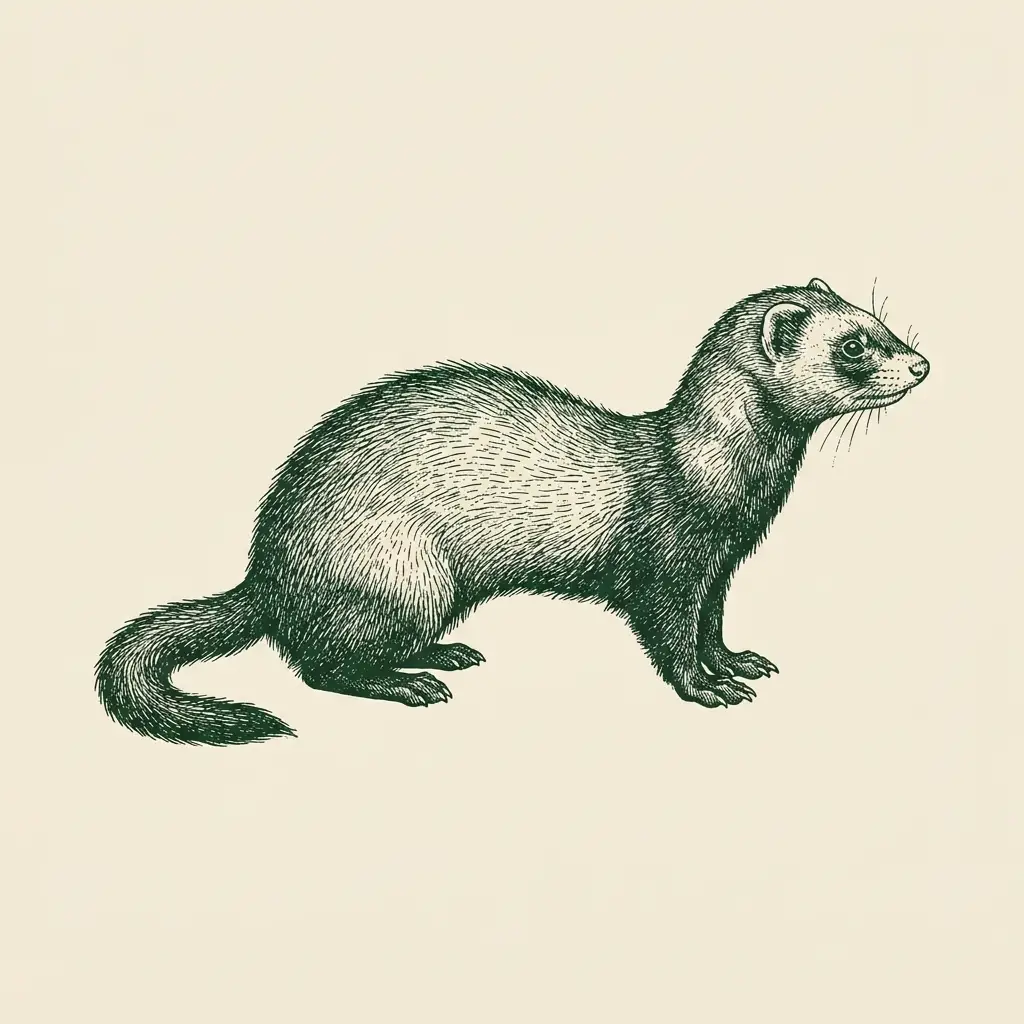
Is it legal to own a ferret in New Jersey?
The short answer
Ferrets are legal in New Jersey but require a state permit. They do not appear on the exempted-species list in N.J.A.C. 7:25-4.4, so under N.J.A.C. 7:25-4.5 a possession permit is required — for pet keepers, the Individual Hobby Wildlife Species Possession Permit issued by the Division of Fish and Wildlife. The Division has warned it strictly enforces ferret rules because of past escapes and bites, and ferrets must be housed to prevent escape.
What New Jersey law says
N.J.A.C. 7:25-4.4 exempts only a short list of species (hamsters, gerbils, guinea pigs, etc.) from permits; ferrets are not on it, so N.J.A.C. 7:25-4.5 requires an exotic/nongame possession permit from NJDEP Fish & Wildlife.
Which agency regulates ferrets in New Jersey
New Jersey Division of Fish and Wildlife (NJDEP) is the authority for ferret (Mustela putorius furo) possession in New Jersey.
Is there a permit for pet ferrets?
Yes — the Individual Hobby Wildlife Species Possession Permit, issued by New Jersey Division of Fish and Wildlife (NJDEP).
Penalties and enforcement
Possessing a ferret without the required permit can bring fines and seizure of the animal under New Jersey's exotic and nongame wildlife rules.
Local city and county rules
Municipal animal codes apply on top of the state permit requirement.
Frequently asked questions
How do I keep a ferret legally in New Jersey?
Apply for the Individual Hobby Wildlife Species Possession Permit from NJDEP's Exotic and Nongame Permits Office (609-223-6055) and keep the ferret securely housed with routine veterinary care.
Sources
More animals in New Jersey
- Is it legal to own a raccoon in New Jersey?
- Is it legal to own a monkey in New Jersey?
- Is it legal to own a serval in New Jersey?
See all animals on the exotic pet laws in New Jersey page, or compare every state on the pet ferret laws by state page.
Last verified 2026-07-13 against the cited primary sources. This is a research directory, not legal advice — confirm current rules with New Jersey Division of Fish and Wildlife (NJDEP) and your local animal-control authority before acquiring any animal.