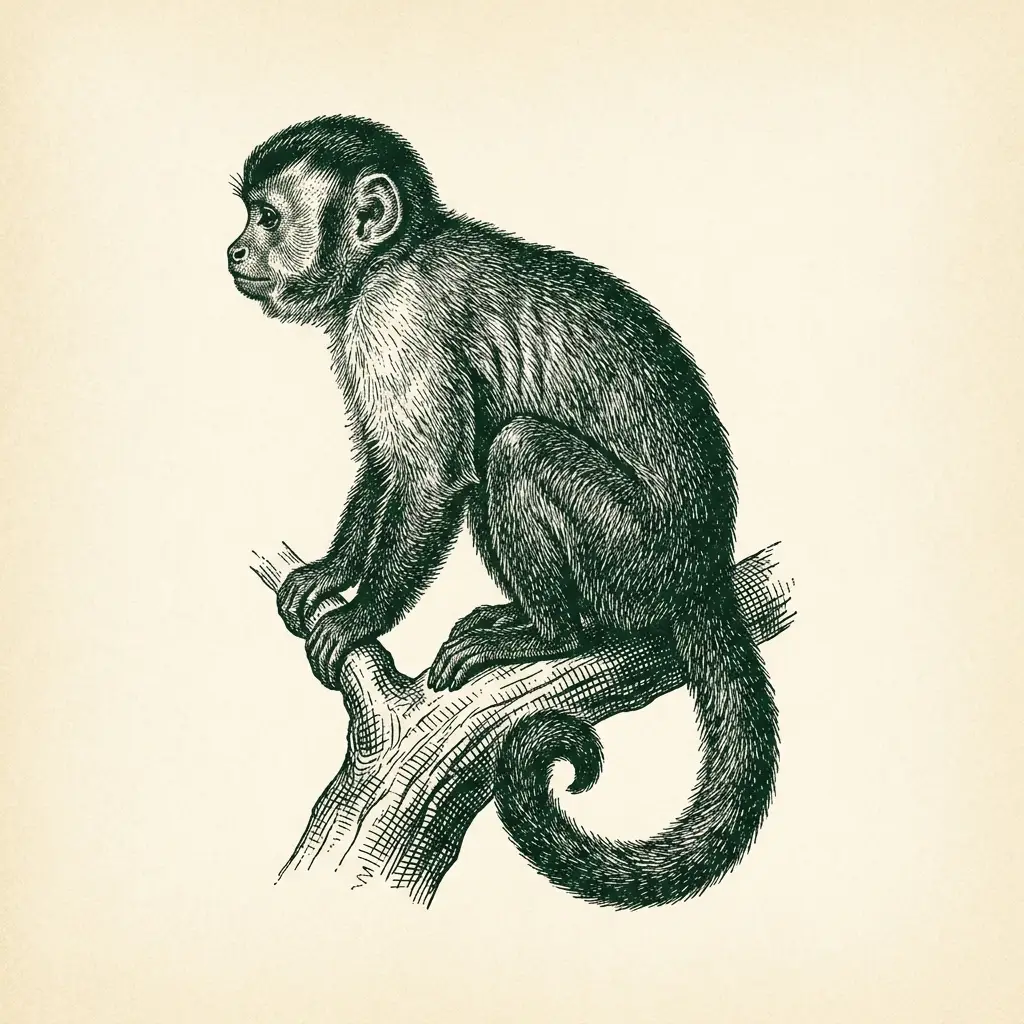
Is it legal to own a monkey in Florida?
The short answer
Some, with a permit. Florida allows smaller primates — marmosets, tamarins, squirrel monkeys — as Class III wildlife with an FWC permit. Capuchin, spider, and woolly monkeys are also permitted but require 1,000 documented hours of experience and a caging inspection before issuance. Macaques, baboons, and apes sit in Class I/II, where personal pet possession is effectively unavailable.
What Florida law says
Under F.A.C. ch. 68A-6, primates span all three classes. Class III species need the personal-pet permit plus, for capuchin/spider/woolly monkeys, documented experience (1,000 hours with the species or its biological family) and a pre-issuance facility inspection. Class II primates require far more demanding experience and facility standards, and Class I (great apes, baboons) is closed to personal possession.
Which agency regulates monkeys in Florida
Florida Fish and Wildlife Conservation Commission (FWC), Captive Wildlife Office is the authority for monkey (Nonhuman primates) possession in Florida.
Is there a permit for pet monkeys?
Yes — the Class III Personal Pet Permit (capuchins: + experience documentation and inspection), issued by Florida Fish and Wildlife Conservation Commission (FWC), Captive Wildlife Office (Class III free; Class II carries fees). Exhibitors, researchers, and sanctuaries hold separate license types.
Penalties and enforcement
Unpermitted possession is a criminal violation of ch. 379 with seizure; violating class-specific caging or experience requirements can void the permit.
Local city and county rules
Several Florida counties and municipalities restrict primates beyond FWC's rules — verify local code before applying.
Legal alternatives in Florida
- Sugar Glider in Florida — A palm-sized gliding marsupial, legal in most states but banned in a handful of cities and states.
Frequently asked questions
Which monkeys can a Florida resident actually own?
Marmosets, tamarins, and squirrel monkeys with a Class III permit; capuchin, spider, and woolly monkeys with the same permit plus 1,000 documented hours and a caging inspection. Macaques and apes are not realistic pet options.
How do I document 1,000 hours for a capuchin?
FWC accepts documented hands-on experience with the species or same biological family at facilities like sanctuaries, exhibitors, or vet practices — signed by the supervising license holder. Keep detailed logs.
Is a marmoset permit really free?
Yes — the Class III personal pet permit has no fee and renews every two years, though your enclosure must meet the caging standards from day one.
Sources
- FWC — Wildlife as a personal pet
- F.A.C. 68A-6.004 — permit application criteria
- FWC — Captive wildlife FAQs
More animals in Florida
- Is it legal to own a raccoon in Florida?
- Is it legal to own a serval in Florida?
- Is it legal to own a fennec fox in Florida?
See all animals on the exotic pet laws in Florida page, or compare every state on the pet monkey laws by state page.
Last verified 2026-07-02 against the cited primary sources. This is a research directory, not legal advice — confirm current rules with Florida Fish and Wildlife Conservation Commission (FWC), Captive Wildlife Office and your local animal-control authority before acquiring any animal.